UNSA Blog

Sample Page

Author: admin

  • Building Stronger Communities Through Knowledge

    Building Stronger Communities Through Knowledge

    Knowledge has always been one of the most powerful tools for improving lives and strengthening communities. When people learn, share information, and apply their understanding to real-life situations, they create opportunities for growth, innovation, and cooperation. Strong communities are not built only through infrastructure or economic development—they are built through informed individuals who work together to solve problems and support one another. Knowledge empowers people to make better decisions, inspire positive change, and prepare for future challenges. By encouraging learning and the sharing of ideas, communities can become more resilient, connected, and successful.

    The Value of Knowledge in Society

    Knowledge helps individuals understand the world around them and make informed choices. It enables people to solve problems, develop new skills, and contribute positively to their communities.

    When knowledge is shared, everyone benefits. Communities with access to education and reliable information are better equipped to address challenges and create opportunities for growth.

    Learning is not limited to classrooms; it continues throughout life and plays an important role in personal and community development.

    Education as the Foundation of Strong Communities

    Education provides the foundation for stronger and more successful communities. Schools, training programs, libraries, and community learning centers all help people develop valuable skills and confidence.

    An educated population is better prepared to participate in decision-making, contribute to the local economy, and support social progress. Education also encourages critical thinking, creativity, and lifelong learning.

    Communities that invest in education create opportunities for future generations.

    Sharing Knowledge Strengthens Relationships

    Knowledge becomes even more valuable when it is shared with others. People who exchange ideas, experiences, and practical advice help create stronger relationships and greater trust within their communities.

    Mentoring, workshops, and community discussions encourage collaboration and allow individuals to learn from one another.

    Sharing knowledge builds a culture of cooperation where everyone has the opportunity to grow.

    Encouraging Lifelong Learning

    Learning does not end after formal education. Lifelong learning helps individuals adapt to changing technologies, workplaces, and social environments.

    People who continue learning are more confident when facing new challenges and are better prepared to seize opportunities. Reading books, attending courses, and developing new skills all contribute to personal growth.

    Communities that promote lifelong learning remain innovative and adaptable.

    Improving Problem-Solving Skills

    Knowledge allows people to analyze situations and develop effective solutions. Communities often face challenges such as environmental concerns, economic issues, or social needs that require thoughtful planning.

    When individuals share information and work together, they can identify practical solutions more efficiently. Different experiences and perspectives contribute to stronger decision-making.

    Knowledge-driven problem-solving creates lasting improvements.

    Supporting Innovation and Creativity

    Innovation often begins with learning and curiosity. People who explore new ideas and understand different perspectives are more likely to develop creative solutions.

    Communities that encourage innovation create environments where individuals feel comfortable sharing ideas and experimenting with new approaches.

    Creative thinking supported by knowledge helps communities grow and remain competitive in a changing world.

    Strengthening Community Participation

    Knowledge encourages people to become active participants in their communities. Informed individuals are more likely to volunteer, attend community meetings, and contribute to local projects.

    Understanding community needs allows people to make meaningful contributions and support positive initiatives.

    Active participation strengthens social connections and builds a greater sense of belonging.

    Using Technology to Share Knowledge

    Technology has made knowledge more accessible than ever before. Online learning platforms, educational websites, and digital communication tools allow people to access information from anywhere.

    Communities can use technology to organize educational programs, share important updates, and connect with experts around the world.

    Responsible use of technology expands learning opportunities and encourages greater collaboration.

    Preparing Future Generations

    Teaching young people the value of knowledge helps prepare them for future success. Encouraging curiosity, critical thinking, and continuous learning gives children the confidence to face future challenges.

    Families, teachers, and community leaders all play an important role in creating positive learning environments.

    When future generations value education and knowledge, communities continue to grow stronger over time.

    Creating a Culture of Growth

    Strong communities are built when learning becomes a shared value. Encouraging people to ask questions, exchange ideas, and support each other’s development creates a culture of continuous improvement.

    A growth-oriented community welcomes change, embraces innovation, and works together to achieve common goals.

    Knowledge creates opportunities not only for individuals but also for the entire community.

    Conclusion

    Building stronger communities through knowledge is one of the most effective ways to create lasting progress. Education, lifelong learning, shared experiences, and open communication help individuals develop the skills needed to solve problems and support one another. Communities that value knowledge encourage innovation, strengthen relationships, and prepare future generations for success. Every person has something valuable to learn and something meaningful to share. By promoting education, encouraging curiosity, and working together, communities can build a brighter, more connected, and more successful future for everyone.

  • The Importance of Leadership in Modern Times

    The Importance of Leadership in Modern Times

    The world is changing faster than ever. Technology is transforming the way people work, communicate, and learn, while global challenges are creating new responsibilities for individuals, organizations, and communities. In this rapidly changing environment, effective leadership has become more important than ever. Good leaders provide direction during uncertainty, encourage people to adapt, and help groups work together toward meaningful goals with Ga6789.

    Leadership in modern times is not simply about having authority or holding an important position. It is about influencing people through trust, responsibility, communication, and example. Whether in a business, school, community, or organization, strong leadership can help people navigate challenges and create opportunities for progress.

    Leaders Provide Direction

    One of the most important roles of a leader is to provide a clear sense of direction. When circumstances are uncertain, people may feel confused about what to do next.

    A good leader helps others understand the bigger picture. They explain goals clearly and show how individual efforts contribute to a shared purpose.

    This sense of direction can be especially valuable during periods of change. Instead of allowing uncertainty to create fear, effective leaders help people focus on practical steps and achievable objectives.

    A clear vision does not eliminate every challenge, but it gives people something meaningful to work toward.

    Adaptability Is Essential

    Modern life changes quickly. New technologies, economic conditions, and social expectations can influence how organizations operate.

    Leaders must therefore be willing to adapt. A leadership approach that worked in the past may not always be effective in the future.

    Adaptable leaders remain open to learning and are willing to consider new ideas like Gà Thomo còn đá không. They understand that changing direction when necessary is not a sign of weakness. It can be a sign of wisdom.

    By demonstrating flexibility, leaders encourage others to view change as an opportunity rather than something to fear.

    Technology Requires Responsible Leadership

    Technology has created incredible opportunities, but it has also introduced new challenges. Digital communication, artificial intelligence, automation, and online platforms are changing workplaces and communities.

    Leaders have an important role in ensuring that technology is used responsibly. They must consider issues such as privacy, fairness, security, and the impact of technological changes on people.

    Strong leaders do not simply adopt new technology because it is available. They ask whether it genuinely solves a problem and how it will affect the people who use it.

    Responsible leadership helps organizations benefit from innovation while remaining aware of its potential consequences.

    Communication Builds Trust

    In modern times, information moves quickly. A misunderstanding can spread rapidly, while unclear communication can create unnecessary uncertainty.

    Effective leaders understand the importance of honest and timely communication. They keep people informed, listen to concerns, and explain decisions clearly.

    Communication is especially important during difficult situations. People may not expect leaders to have every answer, but they appreciate honesty about what is known and what remains uncertain.

    When leaders communicate consistently and respectfully, they build trust. That trust makes it easier for teams and communities to work together.

    Emotional Intelligence Matters

    Modern leadership requires more than technical knowledge. Leaders also need emotional intelligence.

    People have different personalities, experiences, and needs. A good leader understands that motivation does not come from the same source for everyone.

    Emotional intelligence helps leaders recognize how others may be feeling and respond appropriately. It also helps them manage their own emotions during stressful situations.

    A leader who remains calm, listens carefully, and treats people with empathy can create a healthier environment where individuals feel respected.

    Leaders Encourage Collaboration

    Many modern challenges are too complex for one person to solve alone. Successful leadership therefore involves bringing people together.

    Good leaders encourage collaboration by creating opportunities for individuals to share ideas and combine their strengths.

    They understand that different perspectives can improve decision-making. Instead of expecting everyone to think the same way, they create environments where respectful disagreement and creative thinking are welcomed.

    Collaboration can lead to stronger solutions and help people feel more connected to shared goals.

    Ethical Leadership Is More Important Than Ever

    In a world where decisions can have wide-reaching consequences, ethical leadership is essential.

    Leaders often face choices that involve competing interests. They may need to balance financial goals with social responsibilities or make decisions that affect employees, customers, and communities.

    Responsible leaders consider the wider impact of their choices. They value honesty, fairness, accountability, and transparency.

    Ethical leadership builds credibility and creates organizations that people can trust.

    Developing Future Leaders

    Strong leaders do not focus only on their own success. They help others develop leadership abilities as well.

    Modern organizations need people who can take initiative, solve problems, and adapt to changing circumstances.

    By offering mentorship, responsibility, and learning opportunities, experienced leaders can prepare others to take on future roles.

    This creates a culture of continuous growth and ensures that leadership does not depend on one individual.

    Leadership Creates Positive Change

    Perhaps the greatest value of leadership is its ability to turn ideas into action.

    A good leader can inspire people to improve systems, solve problems, and contribute to something larger than themselves.

    Positive change may begin with a simple idea, but leadership helps organize people and resources around that idea.

    Whether the goal is improving a workplace, supporting a community, or developing a new solution, effective leadership can transform possibilities into real results.

    Conclusion

    Leadership is essential in modern times because the world is changing rapidly and many challenges require thoughtful cooperation. Strong leaders provide direction, encourage adaptability, communicate clearly, and help people navigate uncertainty.

    Modern leadership is not about controlling others. It is about creating trust, encouraging collaboration, supporting growth, and making responsible decisions.

    The most effective leaders understand that their influence extends beyond their immediate responsibilities. Their actions can shape workplace culture, inspire innovation, and encourage others to become leaders themselves.

    As the future continues to bring new opportunities and challenges, the need for responsible and adaptable leadership will only grow. By leading with empathy, integrity, courage, and an open mind, today’s leaders can help create a future where individuals and communities are better prepared to face change and achieve meaningful progress together.

  • Effective Methods to Retain Information Longer

    Effective Methods to Retain Information Longer

    Retaining information longer is a valuable skill for students, professionals, and lifelong learners. Whether you are preparing for an exam, learning a new language, training for a job, or trying to remember important details from books and courses, improving memory retention can save time and increase confidence. The good news is that memory is not fixed. With the right strategies, you can train your brain to store and recall information more effectively.

    Below are some of the most effective methods to retain information longer and improve your ability to learn.

    1. Use Spaced Repetition

    King88 is one of the best techniques for long-term memory retention. Instead of studying everything in one long session, you review information at increasing intervals over time. For example, you might review a topic after one day, then three days, then one week, and then one month.

    This method works because the brain strengthens memories when it is asked to recall information repeatedly. Each review tells your brain that the information is important. Flashcard apps, calendars, and study planners can help you organize spaced repetition easily.

    To use this method effectively, avoid waiting until you completely forget the material. Review just before the information starts to fade from memory.

    2. Practice Active Recall

    Active recall means testing yourself instead of simply rereading notes or textbooks. Many people believe that rereading is effective, but it often creates a false sense of understanding. You may recognize the information on the page, but that does not mean you can remember it later.

    A better approach is to close the book and ask yourself questions. Try to explain the concept from memory. Use practice tests, flashcards, or blank-page summaries. The more effort your brain uses to retrieve information, the stronger the memory becomes.

    For example, after reading a chapter, write down everything you remember without looking. Then check your notes to see what you missed. This simple exercise can greatly improve learning and retention.

    3. Teach What You Learn

    Teaching is one of the most powerful ways to retain information longer. When you explain a topic to someone else, you must organize your thoughts, simplify complex ideas, and identify gaps in your understanding.

    You do not need to be an expert or have an actual student. You can explain the material to a friend, a study group, or even to yourself out loud. This method is often called the “Feynman Technique,” named after physicist Richard Feynman.

    To apply it, choose a topic and explain it in simple language. If you struggle, return to the source material and review the weak areas. Then try explaining it again until it feels clear and natural.

    4. Connect New Information to What You Already Know

    The brain remembers information better when it can connect new ideas to existing knowledge. This is why examples, analogies, and stories are so effective. When new information feels familiar or meaningful, it becomes easier to store and recall.

    For instance, if you are learning about electricity, you might compare it to water flowing through pipes. If you are learning a new word, connect it to a personal memory or image. These mental links create stronger pathways in the brain.

    Before studying something new, ask yourself: “What do I already know about this topic?” Then build on that foundation.

    5. Use Visual Aids and Mind Maps

    Visual learning can improve memory retention because the brain processes images quickly and strongly. Diagrams, charts, color-coded notes, and mind maps can help organize information in a clear and memorable way.

    Mind maps are especially useful for complex topics. Start with the main idea in the center of a page, then draw branches for related concepts, facts, and examples. This helps you see relationships between ideas instead of memorizing isolated facts.

    You can also use images, symbols, or sketches. Even simple drawings can make information easier to remember.

    6. Improve Focus During Study Sessions

    It is difficult to retain information if you are distracted. Multitasking, checking your phone, or studying in a noisy environment can reduce concentration and weaken memory formation.

    To improve focus, create a study environment with fewer distractions. Turn off unnecessary notifications, keep your workspace clean, and set a specific goal for each session. You can also use the Pomodoro Technique: study for 25 minutes, then take a 5-minute break.

    Short, focused study sessions are usually more effective than long sessions filled with distractions.

    7. Get Enough Sleep

    Sleep plays a major role in memory consolidation. While you sleep, your brain organizes and stores the information you learned during the day. Without enough sleep, it becomes harder to focus, learn, and remember.

    Adults generally need seven to nine hours of quality sleep per night. Students and busy professionals often sacrifice sleep to study or work more, but this can reduce performance in the long run.

    For better memory retention, review important information before sleep and maintain a consistent sleep schedule. Avoid heavy screen use, caffeine, and stressful activities close to bedtime.

    8. Take Breaks and Avoid Cramming

    Cramming may help you remember information for a short time, but it is not ideal for long-term retention. When you overload your brain with too much information at once, it becomes harder to process and store everything.

    Taking regular breaks gives your brain time to rest and absorb what you have learned. Breaks also prevent mental fatigue, which can reduce concentration and motivation.

    Instead of studying for five hours the night before a test, study in shorter sessions over several days. This approach leads to stronger and longer-lasting memory.

    9. Stay Physically Active

    Physical exercise is not only good for the body; it is also beneficial for the brain. Regular movement improves blood flow, reduces stress, and supports brain health. Studies suggest that exercise can enhance learning, focus, and memory.

    You do not need an intense workout routine to see benefits. Walking, cycling, stretching, swimming, or dancing can all support better brain function. Even a short walk before or after studying may help you feel more alert and focused.

    10. Review and Apply the Information

    Information becomes more memorable when you use it in real life. Application turns top 10 game nổ hũ uy tín into practical understanding. If you are learning a language, speak or write in that language. If you are learning a business concept, apply it to a project. If you are studying science, solve problems or conduct simple experiments.

    Regular review is also important. Revisit your notes, summarize key points, and test yourself often. The more frequently you use information, the easier it becomes to remember.

    Conclusion

    Learning how to retain information longer is a skill that improves with practice. Techniques such as spaced repetition, active recall, teaching, visualization, and connecting new knowledge to existing ideas can significantly improve memory retention. Healthy habits like sleep, exercise, focus, and regular breaks also support better learning.

    Instead of relying on last-minute cramming or passive rereading, use proven strategies that help your brain store information deeply. With consistency and the right approach, you can remember more, learn faster, and apply knowledge more effectively in daily life.


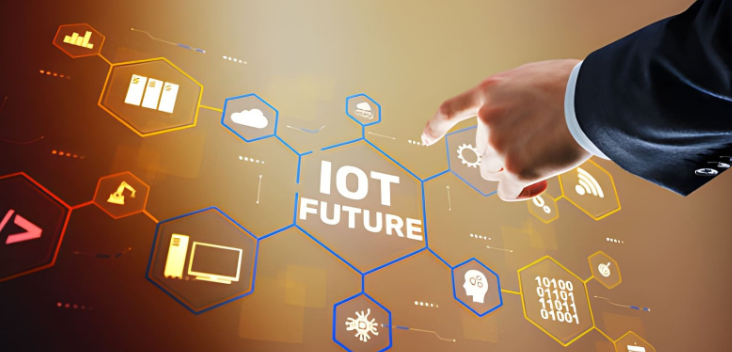
  • Internet of Things (IoT): The Future of Connected Devices

    Internet of Things (IoT): The Future of Connected Devices

    The Internet of Things (IoT) is transforming the way people live, work, and interact with technology. From smart home devices and wearable fitness trackers to connected cars and industrial sensors, IoT is creating a world where everyday objects can collect data, communicate, and make intelligent decisions. As businesses and consumers continue to adopt connected devices, IoT is becoming one of the most important technologies shaping the future.

    What Is the Internet of Things (IoT)?

    The Internet of Things refers to a network of physical devices connected to the internet. These devices use sensors, software, and communication technologies to collect and exchange data. Unlike traditional computers or smartphones, IoT devices can include almost anything: refrigerators, thermostats, security cameras, medical equipment, factory machines, vehicles, and even streetlights.

    The main X88 purpose of IoT is to make devices smarter and more efficient. For example, a smart thermostat can learn your daily routine and automatically adjust the temperature to save energy. A connected fitness watch can monitor your heart rate, track your steps, and send health data to an app. In factories, IoT sensors can detect equipment problems before they cause costly breakdowns.

    How IoT Technology Works

    IoT technology works through a combination of devices, sensors, networks, cloud platforms, and data analytics. First, sensors collect information from the physical environment, such as temperature, movement, pressure, location, or humidity. Then, the device sends that data through a network, often using Wi-Fi, Bluetooth, 5G, or other wireless technologies.

    Once the data reaches a cloud-based platform, it can be stored, processed, and analyzed. Artificial intelligence and machine learning can also be used to identify patterns and automate responses. For instance, a smart irrigation system can analyze weather data and soil moisture levels to decide when plants need water. This helps reduce waste and improve efficiency.

    The Growth of Connected Devices

    The number of connected devices is growing rapidly around the world. Homes, offices, hospitals, cities, and industries are becoming more connected every year. This growth is driven by faster internet speeds, lower sensor costs, better cloud computing, and the rise of mobile apps.

    Smart home technology is one of the most visible examples of IoT adoption. Devices such as smart speakers, video doorbells, lighting systems, and home security cameras allow users to control their homes remotely. With a smartphone app, people can lock doors, turn off lights, view live camera footage, or adjust home appliances from anywhere.

    Businesses are also investing heavily in IoT solutions. Connected devices help companies monitor operations, reduce costs, improve customer service, and make better decisions based on real-time data.

    Benefits of the Internet of Things

    IoT offers many benefits for both individuals and organizations. One of the biggest advantages is convenience. Smart devices can automate routine tasks and make daily life easier. For example, a smart refrigerator can notify you when groceries are running low, while a voice assistant can control multiple devices with simple commands.

    Another major benefit is efficiency. IoT systems can reduce energy use, improve resource management, and optimize business processes. In agriculture, connected sensors can help farmers monitor soil conditions, weather patterns, and crop health. This allows them to use water, fertilizer, and labor more effectively.

    IoT can also improve safety and security. Smart security systems can detect unusual activity and send alerts instantly. In healthcare, IoT medical devices can monitor patients remotely, helping doctors respond quickly to potential health issues. In transportation, connected vehicles can provide real-time traffic updates and help prevent accidents.

    IoT in Smart Homes

    Smart homes are one of the most popular applications of the Internet of Things. A smart home uses connected devices to improve comfort, security, and energy management. Common smart home devices include thermostats, lights, locks, cameras, speakers, and appliances.

    These devices can often be controlled through a central app or voice assistant. For example, homeowners can create automated routines, such as turning off all lights and locking the doors at bedtime. Smart home technology can also lower utility bills by managing heating, cooling, and lighting more efficiently.

    As IoT continues to advance, smart homes will become even more intelligent. Future connected devices may predict user needs, detect maintenance problems, and communicate with each other more seamlessly.

    IoT in Business and Industry

    The use of IoT in business and industry is often called the Industrial Internet of Things (IIoT). This technology is changing manufacturing, logistics, energy, construction, and many other sectors. Companies use IoT sensors to track equipment performance, monitor inventory, manage supply chains, and improve workplace safety.

    In manufacturing, IoT enables predictive maintenance. Instead of waiting for a machine to break down, sensors can detect early signs of failure and alert maintenance teams. This reduces downtime and saves money. In logistics, connected tracking devices help companies monitor shipments in real time, improving delivery accuracy and customer satisfaction.

    The future of IoT in industry will likely include more automation, robotics, and AI-powered decision-making.

    Challenges of IoT Adoption

    Despite its many benefits, IoT also faces challenges. One of the biggest concerns is cybersecurity. Because connected devices collect and transmit data, they can become targets for hackers. Weak passwords, outdated software, and unsecured networks can create serious risks.

    Privacy is another important issue. IoT devices often collect personal information, including location, habits, and health data. Companies must handle this data responsibly and follow strong privacy standards.

    Compatibility can also be a challenge. With so many brands and platforms, not all IoT devices work well together. To reach its full potential, the IoT industry needs better standards, stronger security, and easier integration.

    The Future of IoT and Connected Devices

    The future of the Internet of Things looks extremely promising. As 5G networks expand, IoT devices will become faster, more reliable, and capable of handling larger amounts of data. Edge computing will also play a major role by allowing data to be processed closer to the device, reducing delays and improving performance.

    Smart cities are expected to be a major part of IoT’s future. Connected traffic lights, waste management systems, public transportation, and energy grids can help cities become cleaner, safer, and more efficient. Healthcare will also benefit from remote monitoring, wearable devices, and connected medical tools.

    In the coming years, IoT will continue to connect more parts of daily life. The combination of IoT, artificial intelligence, automation, and advanced networks will create smarter environments at home, at work, and in public spaces.

    Conclusion

    The Internet of Things (IoT) is more than a technology trend; it is the foundation of a more connected future. By linking everyday objects to the internet, IoT allows devices to collect data, communicate, and improve decision-making. From smart homes and healthcare to manufacturing and smart cities, connected devices are changing the world in powerful ways.

    As Khuyến Mãi X88 technology becomes more secure, affordable, and intelligent, its impact will continue to grow. Businesses, governments, and consumers that embrace the Internet of Things will be better prepared for the future of connected devices.

  • Football Training Tips for Beginners

    Football Training Tips for Beginners

    Starting football can be exciting, challenging, and a little overwhelming. Whether you want to join a local team, improve your fitness, or simply enjoy the game with friends, learning the basics properly will help you build confidence and avoid bad habits. These football training tips for beginners will guide you through the essential skills, drills, and routines you need to develop as a new player.

    Why Football Training Matters for Beginners

    Football  is more than just kicking a ball. It requires stamina, coordination, balance, teamwork, decision-making, and technical skill. Beginners who follow a structured training routine improve faster because they focus on the fundamentals first.

    Good football training helps you:

    – Build better ball control
    – Improve passing and shooting accuracy
    – Increase speed and endurance
    – Learn positioning and movement
    – Reduce the risk of injury
    – Gain confidence during matches

    If you are new to the sport, consistency is more important than intensity https://pg8868.live/ . Training a little several times a week is often better than one long session.

    Start with Basic Ball Control

    Ball control is one of the most important football skills for beginners. If you can control the ball well, you will feel more comfortable when passing, dribbling, and shooting.

    A simple way to improve ball control is to practice touches with both feet. Use the inside, outside, sole, and laces of your foot. Start slowly and focus on keeping the ball close to your body.

    Try this beginner drill:

    1. Place the ball in front of you.
      2. Tap the ball lightly from one foot to the other.
      3. Use the inside of each foot.
      4. Continue for one minute.
      5. Rest and repeat three times.

    As you improve, increase your speed while maintaining control. Training with both feet is essential because it makes you more unpredictable and effective during games.

    Practice Passing Every Session

    Passing is a core part of football. Even professional players spend time improving short and long passing. Beginners should focus on accuracy before power.

    If you have a training partner, stand 5 to 10 meters apart and pass the ball using the inside of your foot. Keep your ankle firm and your body balanced. Aim directly at your partner’s feet.

    If you are training alone, use a wall. Pass the ball against the wall and control it when it returns. This is one of the best football drills for beginners because it improves passing, first touch, and reaction time.

    Focus on these passing tips:

    – Keep your head up before passing
    – Plant your non-kicking foot beside the ball
    – Use the inside of your foot for accuracy
    – Follow through toward your target
    – Practice with both feet

    Improve Your Dribbling Skills

    Dribbling allows you to move with the ball and beat defenders. For beginners, the goal is not fancy tricks. The goal is close control, balance, and awareness.

    Set up cones, bottles, or markers in a straight line. Dribble through them slowly using small touches. Keep your knees slightly bent and your body low. Try to look up occasionally instead of staring at the ball the whole time.

    A great beginner dribbling drill is the cone weave:

    1. Place five cones about one meter apart.
      2. Dribble through the cones using small touches.
      3. Turn around and come back.
      4. Repeat for five rounds.
      5. Try using only your weaker foot.

    The more you practice dribbling, the more natural it will feel during a match.

    Learn Proper Shooting Technique

    Scoring goals is one of the most enjoyable parts of football, but shooting requires technique. Many beginners try to kick the ball as hard as possible, but accuracy and body position matter more.

    To shoot correctly, place your standing foot beside the ball and point it toward the target. Keep your eyes on the ball and strike through the center using your laces. Lean slightly forward to keep the shot lower. If you lean back too much, the ball will often go over the goal.

    Beginner shooting tips:

    – Aim for the corners of the goal
    – Keep your ankle locked
    – Follow through after contact
    – Practice from different angles
    – Work on both power and placement

    Start close to the goal and gradually increase your distance as your technique improves.

    Build Football Fitness

    Football involves running, sprinting, stopping, turning, and changing direction. Beginners should build general fitness along with football-specific conditioning.

    A good football fitness routine includes:

    – Light jogging for endurance
    – Short sprints for speed
    – Agility drills for quick movement
    – Bodyweight exercises for strength
    – Stretching for flexibility

    Try interval training once or twice a week. For example, sprint for 20 seconds, walk for 40 seconds, and repeat 8 to 10 times. This type of training prepares your body for the stop-and-start nature of football.

    Strength training is also useful. Squats, lunges, push-ups, planks, and calf raises can improve balance, power, and injury resistance.

    Understand Positioning and Teamwork

    Football is a team sport, so beginners should learn how to move without the ball. Good positioning helps you receive passes, support teammates, and defend effectively.

    When your team has the ball, look for open space. Do not stand still and wait. Move into positions where your teammate can pass to you easily. When your team loses the ball, recover quickly and help defend.

    Basic teamwork tips include:

    – Communicate with teammates
    – Pass instead of holding the ball too long
    – Support the player with the ball
    – Track back when defending
    – Learn the role of your position

    Watching football matches can also improve your understanding. Pay attention to how players move, create space, and support each other.

    Warm Up and Prevent Injuries

    One of the most important football training tips for beginners is to warm up properly. A good warm-up prepares your muscles and joints for movement, reducing the risk of injury.

    Begin with five minutes of light jogging, then add dynamic stretches such as leg swings, high knees, lunges, and side steps. After training, cool down with gentle jogging and static stretching.

    Always wear suitable football boots for the surface you are playing on. Drink water before, during, and after training. If you feel pain, stop and rest instead of pushing through it.

    Create a Simple Weekly Training Plan

    Beginners do not need a complicated schedule. A simple plan can include three to four sessions per week Khuyến mãi PG88.

    Example weekly football training plan:

    – Monday: Ball control and passing
    – Wednesday: Dribbling and shooting
    – Friday: Fitness and agility
    – Saturday or Sunday: Small-sided game or match practice

    Each session can last 45 to 60 minutes. Focus on quality practice and gradual improvement.

    Final Thoughts

    Learning football takes time, patience, and regular practice.As a beginner, focus on the fundamentals: ball control, passing, dribbling, shooting, fitness, and teamwork. Do not worry about making mistakes. Every player starts somewhere, and every training session helps you improve.

    By following these football training tips for beginners, you can build a strong foundation, enjoy the game more, and become a better player step by step. Keep practicing, stay positive, and remember that consistency is the key to success in football.

  • Hello world!

    Welcome to WordPress. This is your first post. Edit or delete it, then start writing!