Football Training Tips for Beginners
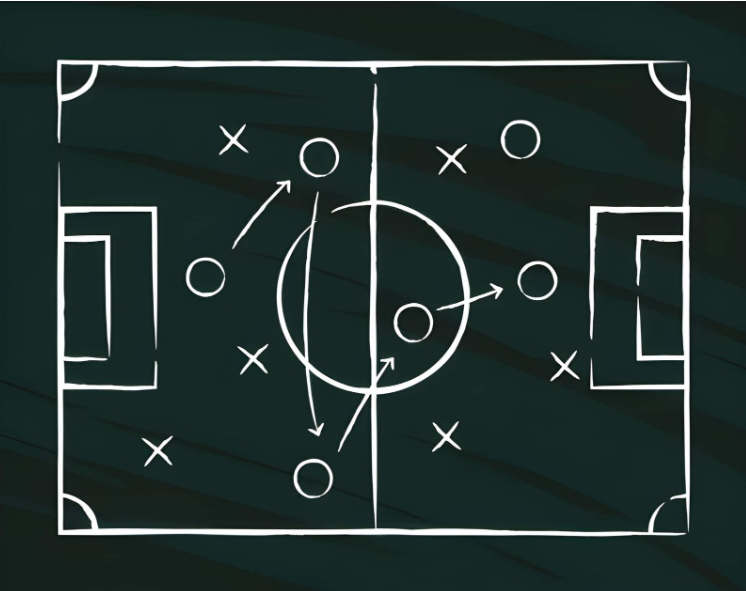
Starting football can be exciting, challenging, and a little overwhelming. Whether you want to join a local team, improve your fitness, or simply enjoy the game with friends, learning the basics properly will help you build confidence and avoid bad habits. These football training tips for beginners will guide you through the essential skills, drills, and routines you need to develop as a new player.
Why Football Training Matters for Beginners
Football is more than just kicking a ball. It requires stamina, coordination, balance, teamwork, decision-making, and technical skill. Beginners who follow a structured training routine improve faster because they focus on the fundamentals first.
Good football training helps you:
– Build better ball control
– Improve passing and shooting accuracy
– Increase speed and endurance
– Learn positioning and movement
– Reduce the risk of injury
– Gain confidence during matches
If you are new to the sport, consistency is more important than intensity https://pg8868.live/ . Training a little several times a week is often better than one long session.
Start with Basic Ball Control
Ball control is one of the most important football skills for beginners. If you can control the ball well, you will feel more comfortable when passing, dribbling, and shooting.
A simple way to improve ball control is to practice touches with both feet. Use the inside, outside, sole, and laces of your foot. Start slowly and focus on keeping the ball close to your body.
Try this beginner drill:
- Place the ball in front of you.
2. Tap the ball lightly from one foot to the other.
3. Use the inside of each foot.
4. Continue for one minute.
5. Rest and repeat three times.
As you improve, increase your speed while maintaining control. Training with both feet is essential because it makes you more unpredictable and effective during games.
Practice Passing Every Session
Passing is a core part of football. Even professional players spend time improving short and long passing. Beginners should focus on accuracy before power.
If you have a training partner, stand 5 to 10 meters apart and pass the ball using the inside of your foot. Keep your ankle firm and your body balanced. Aim directly at your partner’s feet.
If you are training alone, use a wall. Pass the ball against the wall and control it when it returns. This is one of the best football drills for beginners because it improves passing, first touch, and reaction time.
Focus on these passing tips:
– Keep your head up before passing
– Plant your non-kicking foot beside the ball
– Use the inside of your foot for accuracy
– Follow through toward your target
– Practice with both feet
Improve Your Dribbling Skills
Dribbling allows you to move with the ball and beat defenders. For beginners, the goal is not fancy tricks. The goal is close control, balance, and awareness.
Set up cones, bottles, or markers in a straight line. Dribble through them slowly using small touches. Keep your knees slightly bent and your body low. Try to look up occasionally instead of staring at the ball the whole time.
A great beginner dribbling drill is the cone weave:
- Place five cones about one meter apart.
2. Dribble through the cones using small touches.
3. Turn around and come back.
4. Repeat for five rounds.
5. Try using only your weaker foot.
The more you practice dribbling, the more natural it will feel during a match.
Learn Proper Shooting Technique
Scoring goals is one of the most enjoyable parts of football, but shooting requires technique. Many beginners try to kick the ball as hard as possible, but accuracy and body position matter more.
To shoot correctly, place your standing foot beside the ball and point it toward the target. Keep your eyes on the ball and strike through the center using your laces. Lean slightly forward to keep the shot lower. If you lean back too much, the ball will often go over the goal.
Beginner shooting tips:
– Aim for the corners of the goal
– Keep your ankle locked
– Follow through after contact
– Practice from different angles
– Work on both power and placement
Start close to the goal and gradually increase your distance as your technique improves.
Build Football Fitness
Football involves running, sprinting, stopping, turning, and changing direction. Beginners should build general fitness along with football-specific conditioning.
A good football fitness routine includes:
– Light jogging for endurance
– Short sprints for speed
– Agility drills for quick movement
– Bodyweight exercises for strength
– Stretching for flexibility
Try interval training once or twice a week. For example, sprint for 20 seconds, walk for 40 seconds, and repeat 8 to 10 times. This type of training prepares your body for the stop-and-start nature of football.
Strength training is also useful. Squats, lunges, push-ups, planks, and calf raises can improve balance, power, and injury resistance.
Understand Positioning and Teamwork
Football is a team sport, so beginners should learn how to move without the ball. Good positioning helps you receive passes, support teammates, and defend effectively.
When your team has the ball, look for open space. Do not stand still and wait. Move into positions where your teammate can pass to you easily. When your team loses the ball, recover quickly and help defend.
Basic teamwork tips include:
– Communicate with teammates
– Pass instead of holding the ball too long
– Support the player with the ball
– Track back when defending
– Learn the role of your position
Watching football matches can also improve your understanding. Pay attention to how players move, create space, and support each other.
Warm Up and Prevent Injuries
One of the most important football training tips for beginners is to warm up properly. A good warm-up prepares your muscles and joints for movement, reducing the risk of injury.
Begin with five minutes of light jogging, then add dynamic stretches such as leg swings, high knees, lunges, and side steps. After training, cool down with gentle jogging and static stretching.
Always wear suitable football boots for the surface you are playing on. Drink water before, during, and after training. If you feel pain, stop and rest instead of pushing through it.
Create a Simple Weekly Training Plan
Beginners do not need a complicated schedule. A simple plan can include three to four sessions per week Khuyến mãi PG88.
Example weekly football training plan:
– Monday: Ball control and passing
– Wednesday: Dribbling and shooting
– Friday: Fitness and agility
– Saturday or Sunday: Small-sided game or match practice
Each session can last 45 to 60 minutes. Focus on quality practice and gradual improvement.
Final Thoughts
Learning football takes time, patience, and regular practice.As a beginner, focus on the fundamentals: ball control, passing, dribbling, shooting, fitness, and teamwork. Do not worry about making mistakes. Every player starts somewhere, and every training session helps you improve.
By following these football training tips for beginners, you can build a strong foundation, enjoy the game more, and become a better player step by step. Keep practicing, stay positive, and remember that consistency is the key to success in football.