Internet of Things (IoT): The Future of Connected Devices
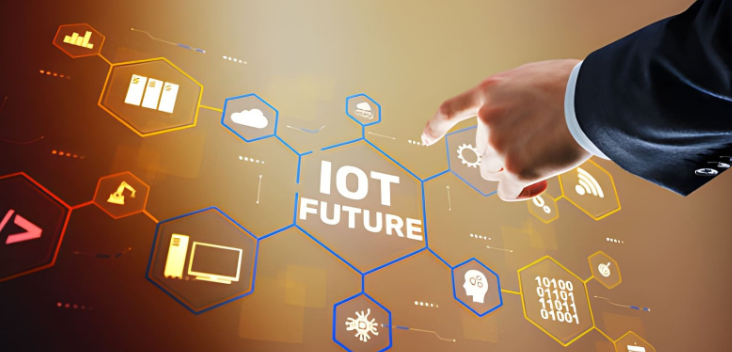
The Internet of Things (IoT) is transforming the way people live, work, and interact with technology. From smart home devices and wearable fitness trackers to connected cars and industrial sensors, IoT is creating a world where everyday objects can collect data, communicate, and make intelligent decisions. As businesses and consumers continue to adopt connected devices, IoT is becoming one of the most important technologies shaping the future.
What Is the Internet of Things (IoT)?
The Internet of Things refers to a network of physical devices connected to the internet. These devices use sensors, software, and communication technologies to collect and exchange data. Unlike traditional computers or smartphones, IoT devices can include almost anything: refrigerators, thermostats, security cameras, medical equipment, factory machines, vehicles, and even streetlights.
The main X88 purpose of IoT is to make devices smarter and more efficient. For example, a smart thermostat can learn your daily routine and automatically adjust the temperature to save energy. A connected fitness watch can monitor your heart rate, track your steps, and send health data to an app. In factories, IoT sensors can detect equipment problems before they cause costly breakdowns.
How IoT Technology Works
IoT technology works through a combination of devices, sensors, networks, cloud platforms, and data analytics. First, sensors collect information from the physical environment, such as temperature, movement, pressure, location, or humidity. Then, the device sends that data through a network, often using Wi-Fi, Bluetooth, 5G, or other wireless technologies.
Once the data reaches a cloud-based platform, it can be stored, processed, and analyzed. Artificial intelligence and machine learning can also be used to identify patterns and automate responses. For instance, a smart irrigation system can analyze weather data and soil moisture levels to decide when plants need water. This helps reduce waste and improve efficiency.
The Growth of Connected Devices
The number of connected devices is growing rapidly around the world. Homes, offices, hospitals, cities, and industries are becoming more connected every year. This growth is driven by faster internet speeds, lower sensor costs, better cloud computing, and the rise of mobile apps.
Smart home technology is one of the most visible examples of IoT adoption. Devices such as smart speakers, video doorbells, lighting systems, and home security cameras allow users to control their homes remotely. With a smartphone app, people can lock doors, turn off lights, view live camera footage, or adjust home appliances from anywhere.
Businesses are also investing heavily in IoT solutions. Connected devices help companies monitor operations, reduce costs, improve customer service, and make better decisions based on real-time data.
Benefits of the Internet of Things
IoT offers many benefits for both individuals and organizations. One of the biggest advantages is convenience. Smart devices can automate routine tasks and make daily life easier. For example, a smart refrigerator can notify you when groceries are running low, while a voice assistant can control multiple devices with simple commands.
Another major benefit is efficiency. IoT systems can reduce energy use, improve resource management, and optimize business processes. In agriculture, connected sensors can help farmers monitor soil conditions, weather patterns, and crop health. This allows them to use water, fertilizer, and labor more effectively.
IoT can also improve safety and security. Smart security systems can detect unusual activity and send alerts instantly. In healthcare, IoT medical devices can monitor patients remotely, helping doctors respond quickly to potential health issues. In transportation, connected vehicles can provide real-time traffic updates and help prevent accidents.
IoT in Smart Homes
Smart homes are one of the most popular applications of the Internet of Things. A smart home uses connected devices to improve comfort, security, and energy management. Common smart home devices include thermostats, lights, locks, cameras, speakers, and appliances.
These devices can often be controlled through a central app or voice assistant. For example, homeowners can create automated routines, such as turning off all lights and locking the doors at bedtime. Smart home technology can also lower utility bills by managing heating, cooling, and lighting more efficiently.
As IoT continues to advance, smart homes will become even more intelligent. Future connected devices may predict user needs, detect maintenance problems, and communicate with each other more seamlessly.
IoT in Business and Industry
The use of IoT in business and industry is often called the Industrial Internet of Things (IIoT). This technology is changing manufacturing, logistics, energy, construction, and many other sectors. Companies use IoT sensors to track equipment performance, monitor inventory, manage supply chains, and improve workplace safety.
In manufacturing, IoT enables predictive maintenance. Instead of waiting for a machine to break down, sensors can detect early signs of failure and alert maintenance teams. This reduces downtime and saves money. In logistics, connected tracking devices help companies monitor shipments in real time, improving delivery accuracy and customer satisfaction.
The future of IoT in industry will likely include more automation, robotics, and AI-powered decision-making.
Challenges of IoT Adoption
Despite its many benefits, IoT also faces challenges. One of the biggest concerns is cybersecurity. Because connected devices collect and transmit data, they can become targets for hackers. Weak passwords, outdated software, and unsecured networks can create serious risks.
Privacy is another important issue. IoT devices often collect personal information, including location, habits, and health data. Companies must handle this data responsibly and follow strong privacy standards.
Compatibility can also be a challenge. With so many brands and platforms, not all IoT devices work well together. To reach its full potential, the IoT industry needs better standards, stronger security, and easier integration.
The Future of IoT and Connected Devices
The future of the Internet of Things looks extremely promising. As 5G networks expand, IoT devices will become faster, more reliable, and capable of handling larger amounts of data. Edge computing will also play a major role by allowing data to be processed closer to the device, reducing delays and improving performance.
Smart cities are expected to be a major part of IoT’s future. Connected traffic lights, waste management systems, public transportation, and energy grids can help cities become cleaner, safer, and more efficient. Healthcare will also benefit from remote monitoring, wearable devices, and connected medical tools.
In the coming years, IoT will continue to connect more parts of daily life. The combination of IoT, artificial intelligence, automation, and advanced networks will create smarter environments at home, at work, and in public spaces.
Conclusion
The Internet of Things (IoT) is more than a technology trend; it is the foundation of a more connected future. By linking everyday objects to the internet, IoT allows devices to collect data, communicate, and improve decision-making. From smart homes and healthcare to manufacturing and smart cities, connected devices are changing the world in powerful ways.
As Khuyến Mãi X88 technology becomes more secure, affordable, and intelligent, its impact will continue to grow. Businesses, governments, and consumers that embrace the Internet of Things will be better prepared for the future of connected devices.